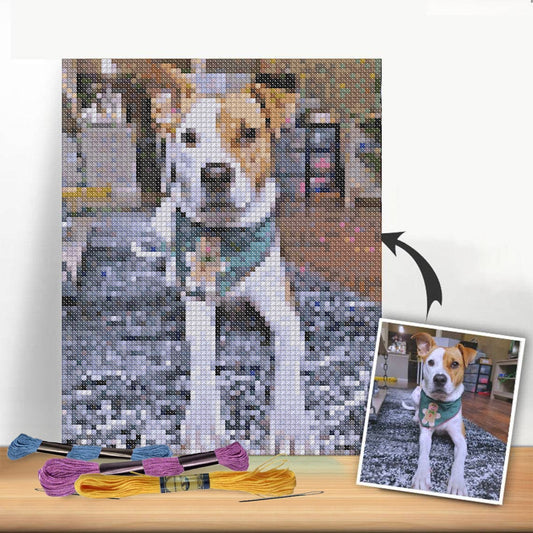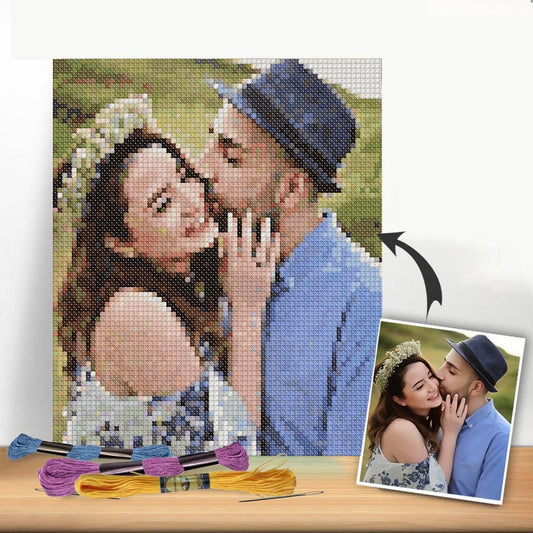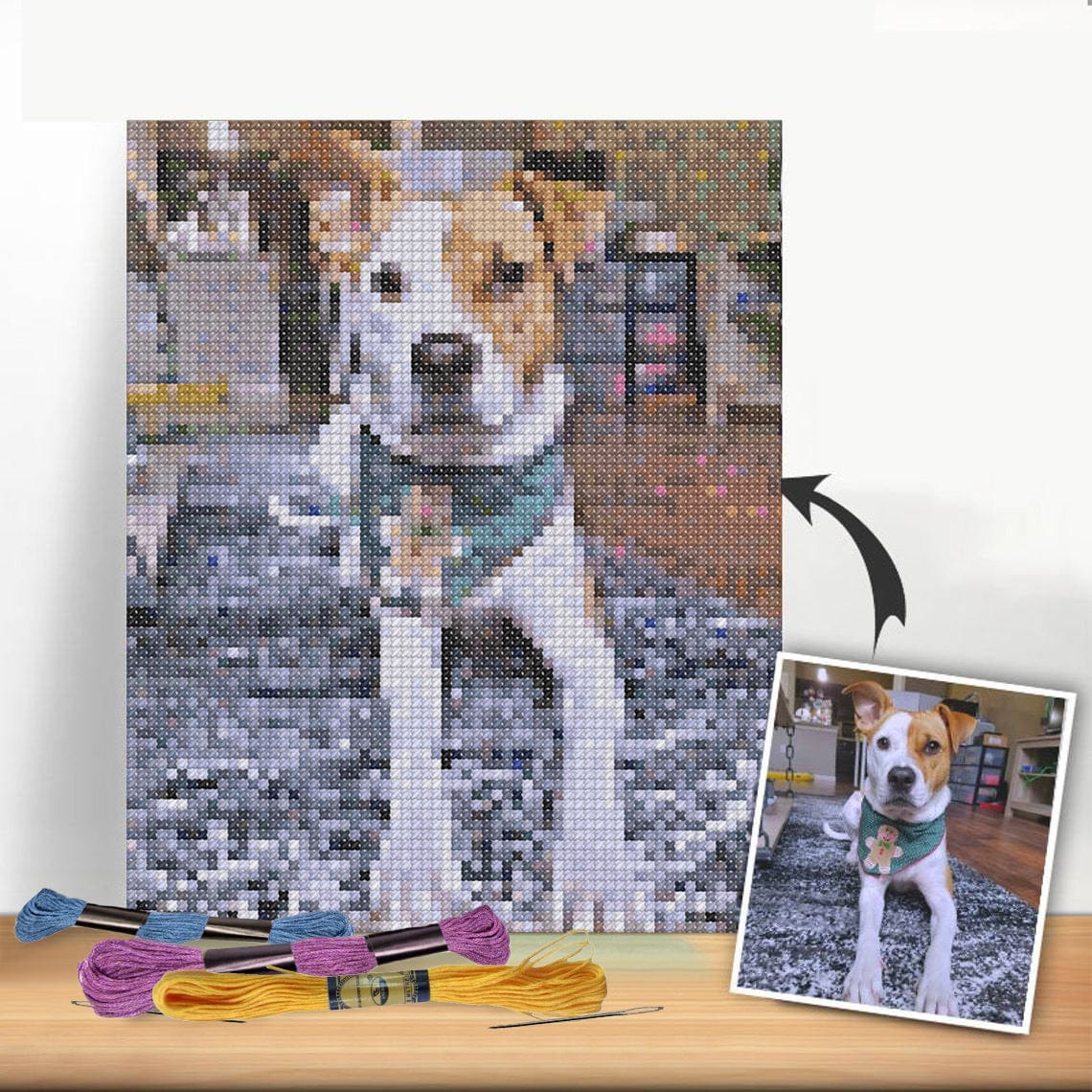

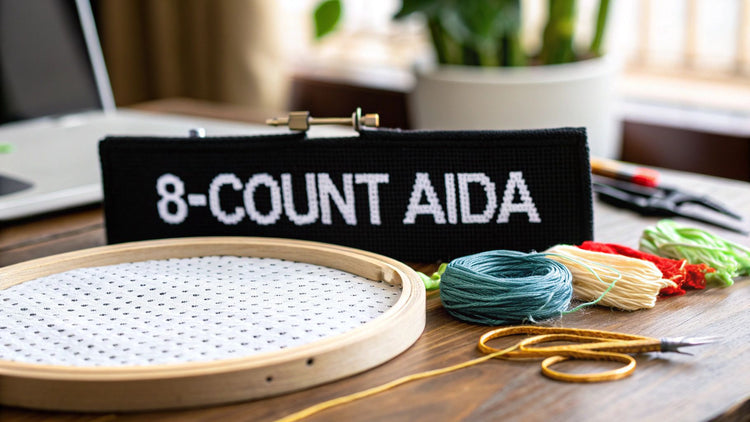
If you think of Aida cloth as the canvas for your cross-stitch masterpiece, then the 'count' is its resolution. 8-count Aida cloth simply means there are eight squares to stitch in every inch of fabric. This creates big, chunky stitches that are wonderfully easy to see and work with.
What Exactly Is 8-Count Aida?
Aida is a special kind of cotton fabric that’s woven into a perfect little grid, which is what makes counted cross-stitch so straightforward. The 'count' tells you exactly how many of those squares fit into one linear inch. So, for 8-count Aida, you get eight stitches per inch, which means the squares themselves are much larger than what you'd find on higher counts like 14-count or 18-count.
Think of it like a digital picture. A low-resolution image has big, obvious pixels that create a blocky, clear picture when you stand back. A high-resolution image uses tiny, dense pixels to pack in a ton of detail. In this world, 8-count Aida is that low-resolution photo—the stitches are your large pixels, perfect for bold, graphic designs that come together surprisingly fast.
For a deeper dive into the fabric itself, you can learn more about what Aida is and how it became a stitcher's best friend right here: https://cross-stitched.com/blogs/what-is-cross-stitch/what-is-aida-fabric
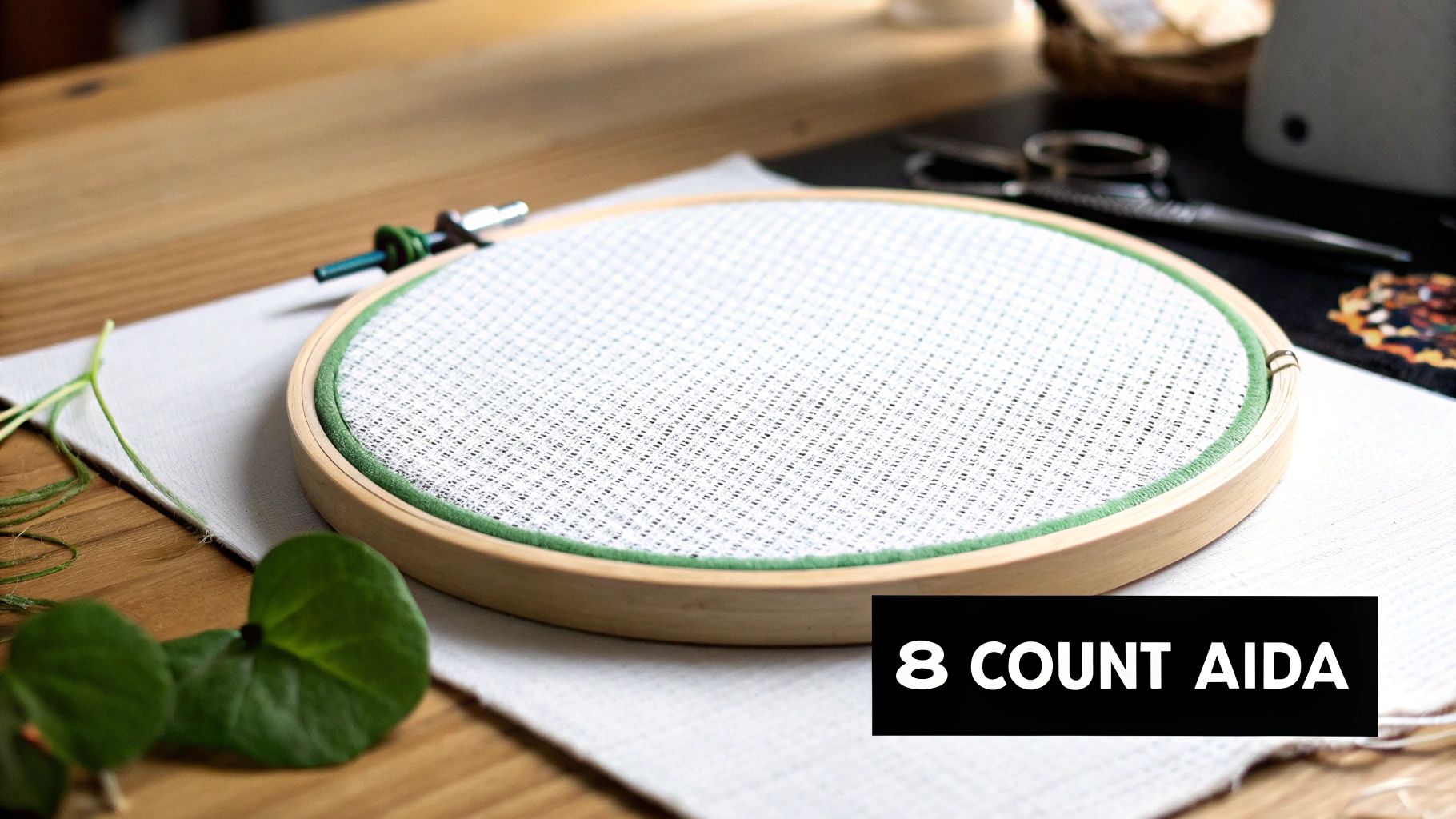 Aida fabric stretched in a wooden embroidery hoop with green trim on a wooden table.">
The Foundation of Easy Stitching
Aida fabric really took off because its simple, grid-like weave took the guesswork out of counted-thread embroidery. The term '8-count Aida cloth' gives you the exact specs: a fabric with 8 squares per inch, making it a fantastic choice for all sorts of needlework projects. This standardized structure is what allows stitchers to create such uniform and precise designs.
So, why would you choose this particular count? It really comes down to a few key benefits:
- Excellent Visibility: Those large holes are a real game-changer. They're easy on the eyes, which seriously reduces strain and makes this fabric a go-to for beginners, kids, or anyone with visual impairments.
- Faster Project Completion: With fewer stitches packed into each inch, your pattern grows right before your eyes. It's incredibly satisfying to see your work come to life so quickly.
- Bold Aesthetic: The chunky stitches give your finished piece a charming, almost rustic texture that’s perfect for wall hangings, pillows, and other decorative items.
To really get a feel for what 8-count Aida cloth is, it helps to see where it fits in the wider world of textiles. For a broader overview, you might find this guide to different cloth types useful.
How Aida Count Changes Your Final Project
Picking your Aida count is a huge decision. In fact, it's one of the first things you have to lock in, and it directly controls how big your finished artwork will be. The pattern itself has a fixed number of stitches, but the fabric you choose dictates how much real estate those stitches take up.
Think of it like pixels on a screen. If you have a 100x100 pixel image on your phone, it's small and crisp. But if you blow that same 100x100 pixel image up on a giant TV screen, each pixel becomes much larger, and the overall picture is massive. The number of pixels never changed, just the canvas they're displayed on.
In the world of cross-stitch, 8-count Aida is that giant TV screen. It gives every single stitch plenty of room, making your finished piece significantly larger than it would be on a higher-count fabric like 14 or 18-count.
Visualizing the Size Difference
Let’s put this into real-world terms. Say you have a pattern that’s 80 stitches wide and 80 stitches tall. The fabric you stitch it on will completely change its final form.
-
On 14-count Aida: Your finished piece would clock in around 5.7 x 5.7 inches. That’s a perfect size for a framed piece on a bookshelf, a patch for a jacket, or the front of a handmade card.
-
On 8-count Aida: That exact same 80x80 stitch pattern suddenly becomes a full 10 x 10 inches. Now we're talking about something big enough to be the centerpiece of a throw pillow, a small wall hanging, or a decorative panel on a tote bag.
You get this massive jump in size without altering the pattern one bit. This is a fantastic bit of knowledge to have in your back pocket, as it lets you resize a design for all sorts of different projects just by swapping out the fabric.
The Golden Rule: A lower Aida count always means a larger finished project. This is precisely what makes 8-count Aida so perfect for creating big, bold statement pieces that stitch up surprisingly fast.
Finished Project Size Comparison by Aida Count
To really see the difference in action, here’s a handy chart. It shows how a simple 50x50 stitch pattern looks when worked on various popular Aida counts.
| Aida Count | Stitches per Inch | Finished Size (50x50 Stitches) | Best For |
|---|---|---|---|
| 16 Count | 16 | 3.1 x 3.1 inches | Detailed ornaments, small framed art |
| 14 Count | 14 | 3.6 x 3.6 inches | Coasters, greeting cards, standard projects |
| 11 Count | 11 | 4.5 x 4.5 inches | Beginner projects, pillows, easy-to-see art |
| 8 Count | 8 | 6.25 x 6.25 inches | Children's projects, wall hangings, rugs |
As you can see, jumping from a standard 14-count to an 8-count Aida nearly doubles the finished dimensions! Understanding this relationship is key to making sure your project turns out just the right size for its final destination, whether it's a tiny keepsake or a grand piece of home decor.
Choosing the Right Needles and Floss
Stitching on 8 count Aida is a real treat, but having the right tools makes all the difference. Because the weave is so open and large, your go-to needle for 14 or 16 count might feel like it's swimming in the fabric holes. You need something a bit more substantial.
The Best Needles for the Job
For a fabric this open, you'll want a tapestry needle that can pass through the holes without a fight and, more importantly, without stretching them out.
I’ve found that a size 20 or 22 tapestry needle is the perfect partner for 8 count Aida. These needles are chunkier and have a much larger eye, which is a lifesaver when you're trying to thread several strands of floss at once. Their blunt tip is key—it finds the holes in the Aida grid easily instead of accidentally piercing the fabric threads. If you want to dive deeper into the world of needles, our guide to cross-stitch needles breaks down all the sizes.
How Many Strands of Floss? Getting That Perfect Coverage
This is probably the number one question I hear about stitching on 8 count Aida: "How many strands of floss do I use?" The aim is to get stitches that look full and lush, completely covering the fabric underneath them. You want it to look plush, not lumpy or knotted.
With standard six-strand embroidery floss, like the DMC you probably have in your stash, the sweet spot is usually somewhere between four to six strands.
Using four strands will give you a nice, solid stitch with good coverage. If you use all six strands, you get what’s often called "full cross"—an incredibly thick, rich look that almost completely hides the fabric.
Your choice really comes down to the look you're going for. For most projects, starting with four strands is a safe bet. But if you want a piece with a dense, tapestry-like feel, go for all six. You'll get that wonderful, chunky texture that makes 8 count projects so satisfying to touch.
The image below gives you a great visual for how much fabric count changes the final size of your work.
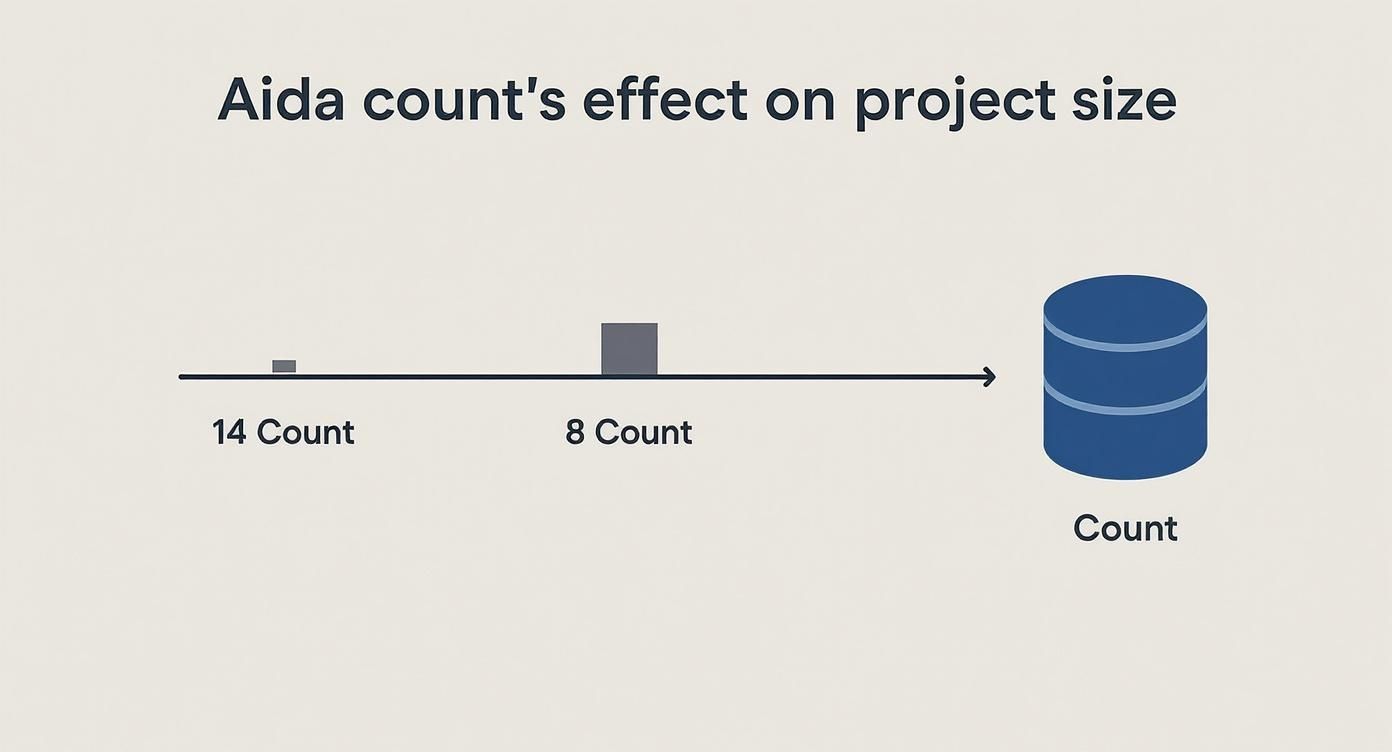
As you can see, the exact same pattern stitched on 8 count Aida results in a much larger piece than it would on 14 count. It’s a pretty dramatic difference!
Thinking Beyond Cotton Floss
While classic DMC cotton is always a great choice, the wide-open weave of 8 count Aida is practically begging you to experiment with different fibers. This is where you can really start to play with texture and shine.
Here are a few of my favorite alternatives to try:
- Perle Cotton: This is a single-strand thread that you don't divide. It has a beautiful, almost pearly sheen to it. A size 3 or 5 perle cotton works beautifully on 8 count, creating stitches that look smooth, round, and really distinct.
- Tapestry Wool: If you want a truly rustic, cozy finish, you have to try tapestry wool. It's thick, provides instant coverage, and is perfect for projects that need to be durable, like pillows, small decorative rugs, or bold wall hangings.
By matching the right needle with the right amount of floss—or even a fun alternative thread—you're setting yourself up for a really enjoyable stitching session. It's this little bit of prep that ensures your finished project has that beautiful, plush look that makes 8 count Aida so special.
So, What Is 8-Count Aida Actually Good For?
Alright, let's get down to it. Where does 8-count Aida cloth really shine? Think big, bold, and fast. This fabric is your go-to when you want projects with a charming, rustic texture that come together quickly and are easy on the eyes.
The beauty of its wide-open weave and large squares isn't just about looks; it's about accessibility. It's a fabric that invites people in, making needlework less intimidating for anyone who's ever struggled with tiny stitches.
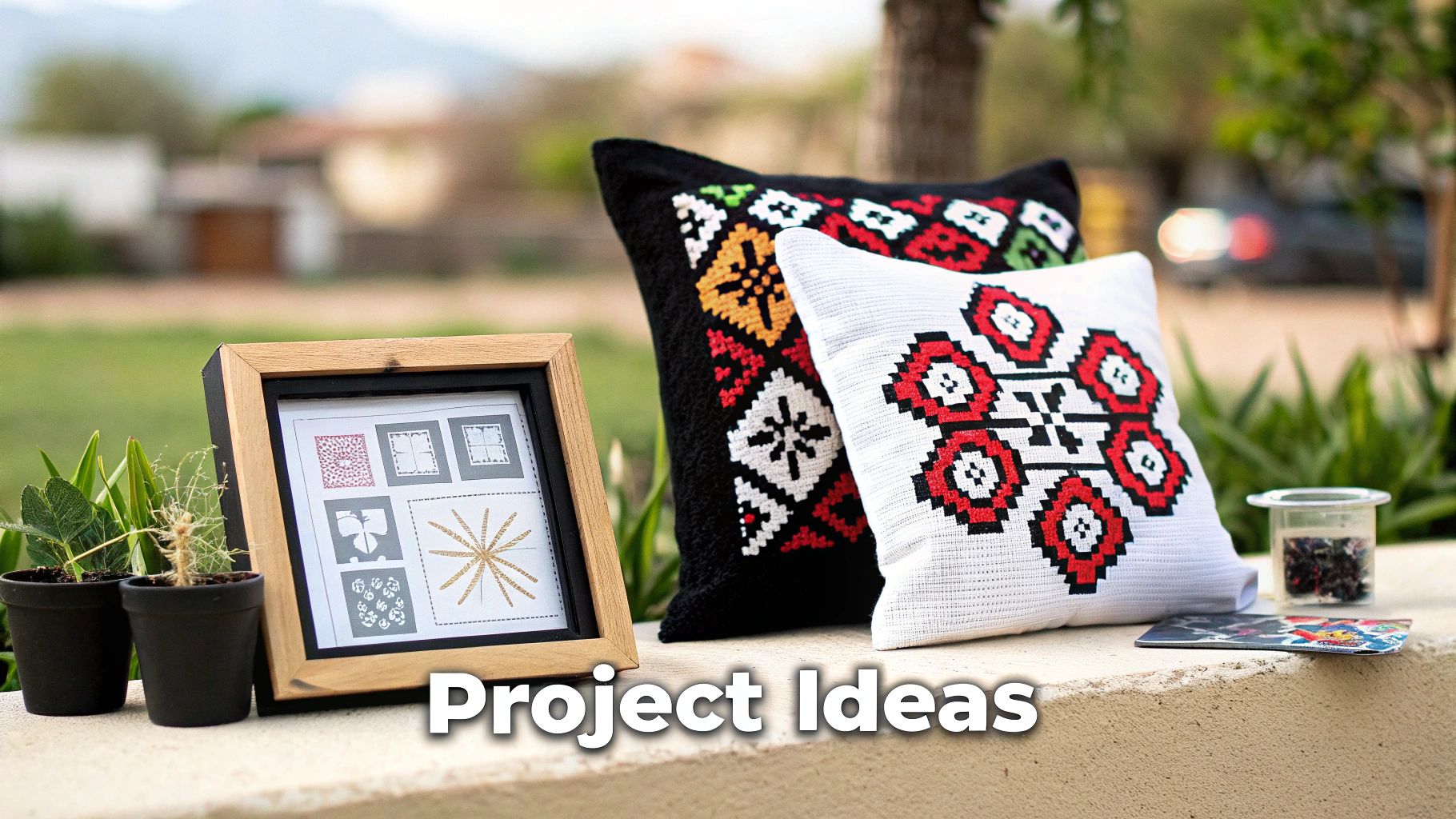
This isn't just about making things easier, though. It's about opening up a whole new world of creative possibilities. The generous grid practically eliminates eye strain and makes counting a total breeze, which is a massive confidence booster for anyone picking up a needle.
The Perfect Starting Point for Beginners and Kids
If you want to get someone hooked on cross-stitch, 8-count Aida cloth is your secret weapon. The large, clear holes show a newbie exactly where the needle needs to go, which cuts way down on the frustration and keeps the whole experience fun.
It’s an absolute game-changer for kids. They can use those chunky, easy-to-grip tapestry needles and see their creation come to life in no time. Nothing keeps a young crafter engaged like seeing fast progress, and a simple, colorful pattern on 8-count Aida is an incredibly rewarding first project.
Making a Statement with Home Decor
Beyond being a great teaching tool, 8-count Aida is a powerhouse for creating home decor that gets noticed. Those chunky, textured stitches look amazing from across the room, making it perfect for pieces that need to make an impact.
Here are a few ideas to get you started:
- Decorative Pillows: A bold geometric pattern or even a simple monogram stitched on this fabric results in a pillow that feels wonderfully cozy and tactile.
- Wall Hangings: Got a huge pattern you love but don't want to spend a year stitching? On 8-count Aida, you can finish large-scale art in a fraction of the time.
- Small Rugs or Mats: Grab some tapestry wool and you can whip up a thick, sturdy accent rug or a decorative placemat that’s both beautiful and functional.
- Tote Bags: Stitch a vibrant design on a panel of 8-count Aida, then sew it onto a plain canvas tote for a personalized accessory that’s built to last.
The appeal of projects made with fabrics like 8-count Aida cloth is part of a larger trend toward handcrafted goods. The global embroidery market, which includes counted-thread crafts, was valued at USD 3.3 billion in 2025 and is projected to hit USD 8.0 billion by 2034. You can learn more about the embroidery market's global impact and its impressive growth.
Crafting for Calm and Accessibility
For so many of us, crafting is therapy. The simple, rhythmic motion of pulling a needle and thread through fabric can be incredibly calming. The accessibility of 8-count Aida makes this therapeutic benefit available to even more people, including those with visual impairments or dexterity challenges.
The larger grid and clearer holes mean less strain and more enjoyment, allowing the therapeutic benefits of cross-stitch to be accessible to a broader audience. It empowers more people to create beautiful things with their own hands.
So whether you’re teaching a kid their very first stitch, filling your home with bold, textured decor, or just looking for a relaxing craft that won't strain your eyes, 8-count Aida cloth is the perfect canvas. It turns big ideas into achievable, fun, and deeply satisfying projects.
Finishing and Caring for Your 8-Count Aida Projects
You’ve tied off the last thread and your project is finally complete. That feeling is amazing, right? But hold on—before you rush to frame it, there's one more crucial step. Properly finishing and cleaning your piece is what truly brings it to life, making sure it looks just as good decades from now as it does today.
This final stage is all about presentation. It washes away any oils from your hands or marks from the hoop, helps the stitches settle perfectly into the fabric, and preps your work for its final destination, whether that's a frame, a pillow, or a wall hanging.
Gently Washing Your Creation
First things first, let's give your piece a gentle bath. This is especially important with 8-count Aida, where the larger weave can sometimes trap a bit more dust and oil from your hands over the many hours you've spent stitching.
Here’s my go-to method for safely washing a finished project:
- Find a clean sink or basin and fill it with lukewarm water. Add just a couple of drops of a gentle, clear dish soap or a dedicated textile wash. Steer clear of any harsh detergents or brightly colored soaps that might stain your fabric or threads.
- Submerge your cross-stitch and just let it soak for 15-20 minutes. You can give it a gentle swish, but never, ever wring it out or twist the fabric. That’s the fastest way to warp the weave and mess up your beautiful, even stitches.
- After its soak, drain the soapy water and rinse the Aida thoroughly under cool, running water. Keep going until the water runs completely clear and you can't feel any soap residue.
The Secret to a Perfect Press
Now for the pressing. Lay your damp project flat on a thick, clean towel. Place another towel on top and gently roll the whole thing up like a jelly roll to press out the excess water. Unroll it right away.
The real trick to a professional-looking finish is to iron your piece while it’s still damp. Lay it face-down on a fresh, fluffy towel and press the back with your iron on a medium setting. This method lets the stitches sink into the soft towel, keeping them looking plump and defined instead of getting squashed flat.
For a deeper dive into all the different ways you can mount and frame your art, check out our complete guide on how to finish a cross-stitch project. The right finishing technique can make all the difference.
Storing Your Finished Piece
Not ready to frame your masterpiece just yet? No problem, but don't just fold it up and stick it in a drawer. To keep it safe, carefully roll your clean, pressed project around a cardboard tube (an empty paper towel roll works great), using a layer of acid-free tissue paper to protect the stitches.
Store the roll somewhere cool, dry, and away from direct sunlight to prevent any fading or yellowing over time.
Where to Find Quality 8-Count Aida Cloth
Alright, you’ve got a project in mind and you're ready to start stitching. Now for the fun part: finding the perfect fabric. Sourcing a good piece of 8-count Aida can be just as rewarding as the stitching itself, but it really helps to know where to look and what to watch out for.
When you’re shopping, the first thing to inspect is the weave itself. A high-quality Aida will have a crisp, even grid. Run your eyes over it—you shouldn’t see any obvious flaws or weirdly-sized squares. If you're buying multiple pieces for a big project, always check the dye lot to make sure the color is perfectly consistent across every cut. Trust me, it’s a small detail that makes a huge difference in the final piece.
By the Yard or in Pre-Cut Packs?
You'll usually see 8-count Aida sold in two ways, and which one you choose really just depends on your project.
-
By the Yard (or Meter): This is your best bet for large or custom-sized projects. Buying off the roll at a local shop or online gives you the freedom to get exactly the dimensions you need, which often means less wasted fabric.
-
Pre-Cut Packages: These are a lifesaver for smaller projects or if you're just starting out. They come in convenient, standard sizes (like 12"x18" or 15"x18") and take the guesswork out of cutting the fabric yourself.
So, if you’re planning a big wall hanging, buying by the yard is the only way to go. But for a little decorative pillow or a kid's first stitching lesson, a pre-cut pack is just so much easier.
A Pro Tip for Shopping: Don't underestimate your local needlework store! Being able to see and feel the fabric in person is a huge advantage, and the staff are often seasoned stitchers themselves who can give you fantastic advice.
It's pretty amazing to think that specialty fabrics like 8-count Aida are part of a massive global textile economy. The apparel market alone, which includes these kinds of materials, was valued at around $1.84 trillion in 2025 and it's still growing. The passion for handmade crafts like ours helps keep that whole supply chain strong. You can read more about the global apparel industry statistics on uniformmarket.com if you're curious.
Of course, if you don't have a local shop, big retailers like Jo-Ann or Hobby Lobby are great options. And for a massive selection, you can't go wrong with online specialists like 123Stitch or EverythingCrossStitch—they make it easy to find the perfect canvas for whatever you dream up next.
Your Top Questions About 8 Count Aida, Answered
Even after you get the hang of it, the unique scale of 8 count Aida cloth can bring up a few questions. Let's walk through some of the most common ones I hear from stitchers so you can start your next project with total confidence.
Is 8 Count Aida the Same Thing as Rug Canvas?
It's an easy mistake to make because they can look alike at a glance, but no, they are fundamentally different materials. Think of 8 count Aida as a soft, pliable cotton fabric made specifically for cross-stitch. Its grid is designed to guide your needle perfectly.
Rug canvas, however, is a whole different beast. It’s incredibly stiff and rigid, engineered to be a durable foundation for a rug. The threads are often interlocked to prevent the whole thing from falling apart, which is great for a floor covering but not so great for a needle.
How Do I Figure Out How Much Fabric I Need?
Don't worry, the math is straightforward. The first thing you need is your pattern's stitch count—let's say it's 80 stitches wide and 120 stitches high.
From there, you just pop those numbers into this simple formula:
- (Stitch Count ÷ 8) + Border = Your Fabric Size
So, for our 80-stitch wide pattern on 8 count Aida, the calculation is (80 ÷ 8) = 10 inches. But you're not done yet! You always want to add a healthy border for handling and framing. I recommend at least 3 inches on every side.
That means your final piece of fabric should be at least 16 inches wide (10" for the design + 3" border + 3" border).
A generous border is your best friend. It gives you room to use a hoop or Q-snap without squishing your stitches and makes life a thousand times easier when it's time to frame your masterpiece.
What's the Best Way to Start and End My Threads?
Because the holes in 8 count Aida are so much bigger, hiding your thread tails takes a little more thought than it does on higher-count fabrics. The classic loop start is perfect here, especially if you're using an even number of strands like four or six. It's clean, secure, and creates zero bulk.
When it's time to end a thread, just weave the tail under the back of the last three or four stitches you made. The stitches are large enough that this technique anchors the thread securely without creating any lumps or bumps you can see from the front.
Ready to see how incredible your own photos would look as a chunky, satisfying cross-stitch project? At Cross Stitched, we put everything you need into one easy kit. Design your custom pattern today!