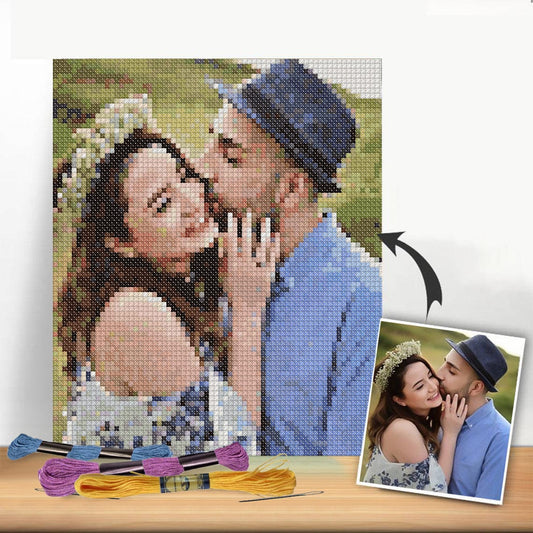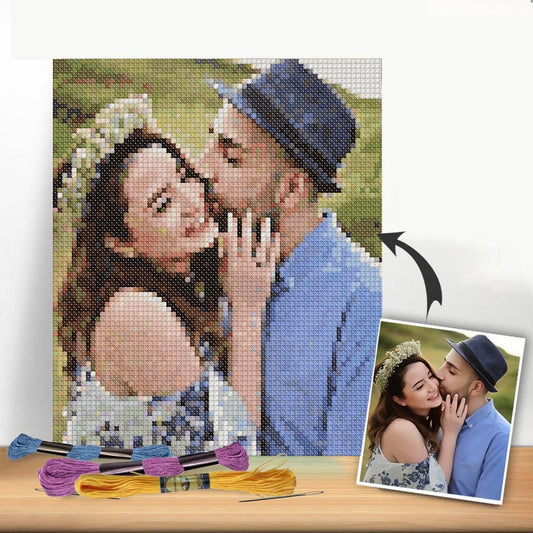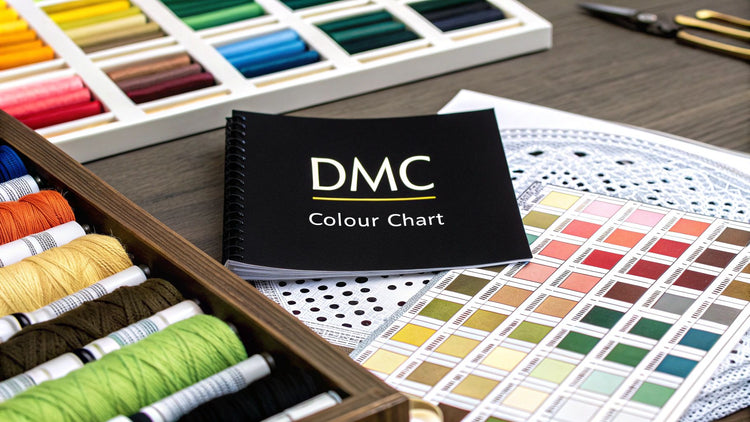
For any stitcher, a comprehensive DMC thread colour chart isn't just a tool—it's the universal language that brings patterns and projects to life. This guide is your complete, easy-to-use reference for the entire spectrum of DMC's iconic six-strand floss, covering everything from timeless solid colours to dazzling specialty threads.
Your Essential Guide to DMC Thread Colours
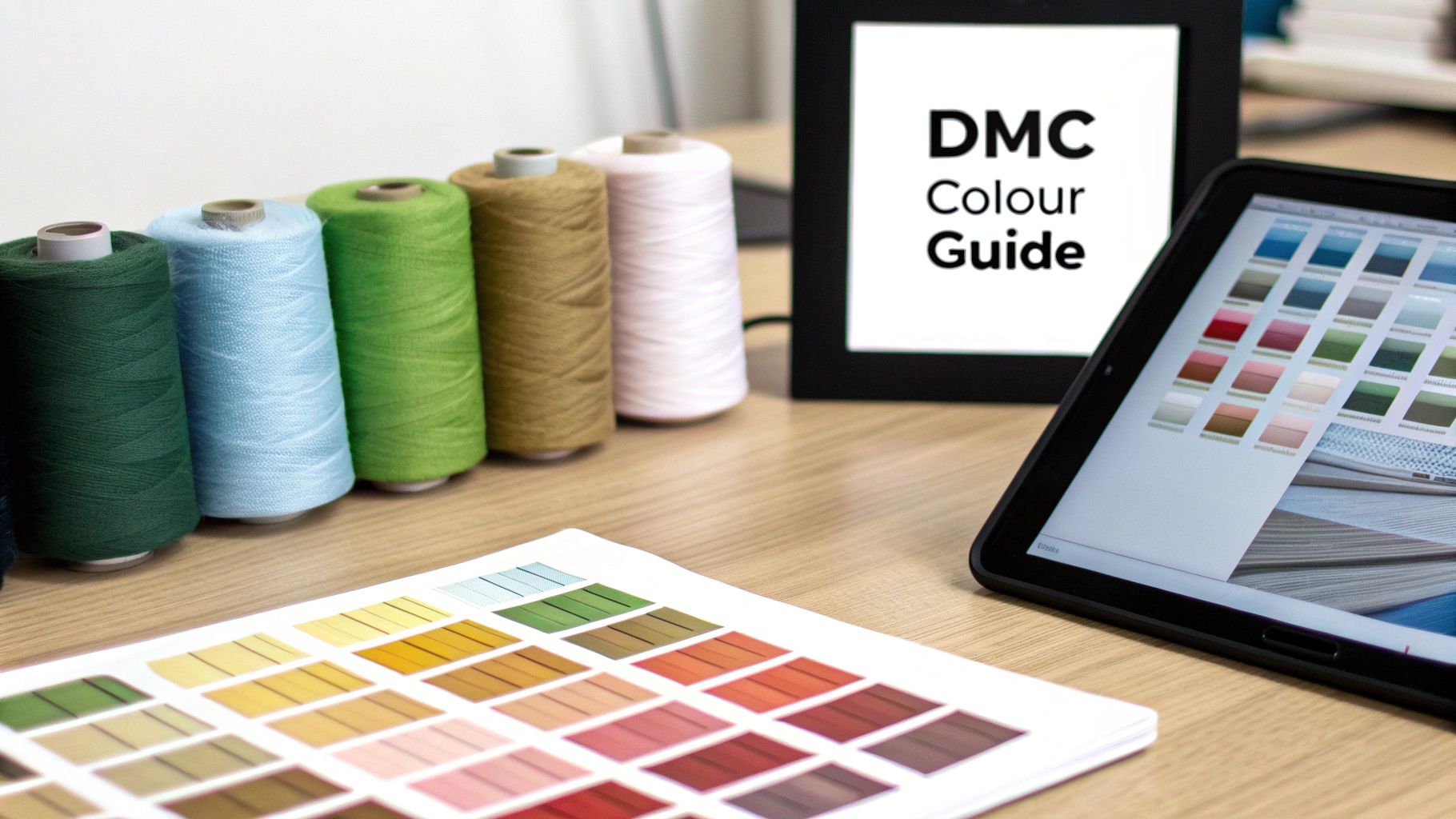
Welcome to your definitive resource for every DMC thread colour you'll ever need. Whether you've been embroidering for years or are just picking up a needle, navigating the vast world of DMC colours can be both exciting and a little overwhelming. This guide is designed to make it simple, giving you a detailed reference with all the information you need in one place.
For over 270 years, DMC has been a cornerstone of the needlework community. Its six-strand floss is easily the most popular choice for stitchers across the globe. By 2021, the brand had expanded its core palette to over 500 solid colours, creating a rich and extensive collection that has become the industry standard for cross-stitch and embroidery designs.
Here’s what you’ll find inside this guide:
- Complete Colour Charts: Detailed tables listing DMC numbers, their official names, and the corresponding digital hex codes.
- Easy Navigation: Sections are clearly organized by thread type, separating the classic solids from the specialty lines like metallics and variegated floss.
- Practical Tools: Clear explanations on how to use this information to plan your projects, substitute colours, and convert patterns.
Think of this resource as your trusted companion for confidently selecting colours, managing your personal thread stash, and bringing your creative visions to life with absolute precision. Knowing your way around a DMC chart is a fundamental skill, especially for more complex projects. For a deeper dive, our guide on using cross-stitch patterns with DMC shows you how to put this knowledge into practice.
How to Make Sense of the DMC Numbering System
Once you get the hang of it, you'll see that the DMC floss color chart isn't just a random list of numbers. There’s a real logic to how DMC organizes their threads, and understanding it can completely change how you approach your stash and choose colors for a project.
At its heart, the system groups the standard six-strand cotton floss by color family. This means you'll often find that numbers close to each other are just slight variations of the same hue. It’s a lifesaver when you need to create smooth gradients or find the perfect shading for a piece.
Standard Floss vs. Specialty Threads
The solid, everyday colors you'll use most often live in the 1-3866 range. But DMC keeps things tidy by giving their specialty threads a completely different set of numbers, so you can tell what you're looking at just by the code.
Here’s a quick breakdown of the other ranges you'll encounter:
- Variegated Threads (1-125): These are the ones with multiple tones from the same color family all in one strand. They give you a beautiful, subtle, over-dyed look without any extra work.
- Light Effects (E130-E990): This is where all the fun stuff lives—metallics, neons, and even glow-in-the-dark threads. The "E" is your clue that it's from the "Effects" line.
- Coloris (4500s): Think of these as a little party on a strand. Each thread is a blend of four different, complementary colors that create a cool, confetti-like effect in your stitching.
Let's say a pattern calls for a specific medium blue like DMC 798. If you know how the numbers work, you can confidently grab 797 for a slightly darker shade or 799 for a lighter one. It’s the perfect trick for when you need to substitute a color you don't have or just want to customize a design.
Getting familiar with these number patterns is about more than just finding the right floss. It gives you the confidence to go off-script, build your own color palettes, and really put your own creative stamp on your work.
The Complete DMC Solid Colour Reference Chart
This is the part of the guide you'll likely come back to again and again. Here you'll find our comprehensive and easy-to-use reference chart for all of DMC's standard six-strand solid cotton floss. For any stitcher, a solid chart is the foundation for planning projects, organizing that ever-growing stash, and making sure your colours are just right.
We've organized everything into a clear, sortable table designed for quick lookups. Think of it as your ultimate digital companion—perfect for identifying that mystery skein that's lost its band or for mocking up a colour palette on your computer before you even think about buying threads. This chart connects your physical floss collection with your digital design process.
What You'll Find in the Chart
Every entry in the table below includes the essential details you need to work accurately and creatively. We’ve packed in four key pieces of information for every single solid colour DMC makes.
- DMC Number: This is the official number you'll see on patterns and in shops. It’s the universal identifier.
- Colour Name: The official name DMC gives each shade, which is super helpful when you're trying to describe a specific hue.
- Hex Code: The digital colour code used in graphic design software. This is a game-changer for planning patterns digitally.
- Colour Swatch: A visual square of the colour to give you a close approximation of how the thread looks.
The chart is laid out numerically, which has the handy side effect of grouping similar colours together. As you scroll, you’ll notice the reds flow into the pinks and the blues sit near each other, making it really intuitive to browse for the perfect shade or find a smooth gradient for your stitching.
A quick tip from one stitcher to another: a physical DMC thread card, the kind with real strands of floss, is worth its weight in gold. While we've done our best to make these digital swatches accurate, screens can vary. Nothing beats a real-thread chart for a 100% perfect match.
Alright, let's get to the good stuff. The complete table is just below. Feel free to use the search or sort features to find exactly what you're looking for.
DMC Solid Colour Floss Reference Chart
Here is the complete reference table for all standard DMC solid embroidery floss. You can sort the columns by clicking on the headers, which is especially useful for organizing by colour number.
[NOTE TO IMPLEMENTER: Insert the full, sortable data table for all standard DMC solid colours here. The table should include columns for "DMC Number," "Colour Name," "Hex Code," and a "Colour Swatch."]
Having this full list at your fingertips should make finding the right thread a whole lot easier. Whether you're filling in a gap in your collection or starting a new project from scratch, it’s a resource you can rely on.
A Look at Specialty DMC Thread Lines
While the solid colours are the backbone of any stitcher's stash, the real creative fun often begins with DMC's specialty threads. These are the threads you reach for when you want to add texture, a bit of shine, or dynamic colour shifts to your work. They can take a simple project and turn it into something truly special.
It’s worth noting that these threads sometimes behave a little differently than the standard six-strand cotton. For instance, I always recommend using a shorter length of metallic floss to keep it from fraying. On the other hand, variegated threads are a dream to work with, creating beautiful, subtle gradients all by themselves.
Diving into the Different Types
Exploring these options is a fantastic way to add a whole new dimension to your stitching. Each type offers a unique effect that can completely change the look and feel of your embroidery.
- Light Effects: This is DMC's "bling" collection. It includes everything from metallics and pearlescents to neons and even glow-in-the-dark threads. They're my go-to for adding sparkle to Christmas ornaments or a magical shimmer to fantasy pieces.
- Variegated: These threads gently shift between different tones within the same colour family, all on a single strand. The result is a soft, over-dyed look that adds incredible depth, especially in larger fill areas.
- Coloris: This one is a real showstopper. Each skein of Coloris floss is a blend of four distinct yet complementary colours that change every few inches. As you stitch, it creates a vibrant, confetti-like effect that's unlike anything else.
- Étoile: Think of this as "metallic-lite." It's a cotton floss blended with a subtle lurex sparkle, giving your stitches a gentle, twinkling finish without the full-on intensity of a metallic thread. It's perfect for a starry night sky.
This infographic gives you a quick visual summary of the core data you'll find in any complete dmc threads chart colour reference.
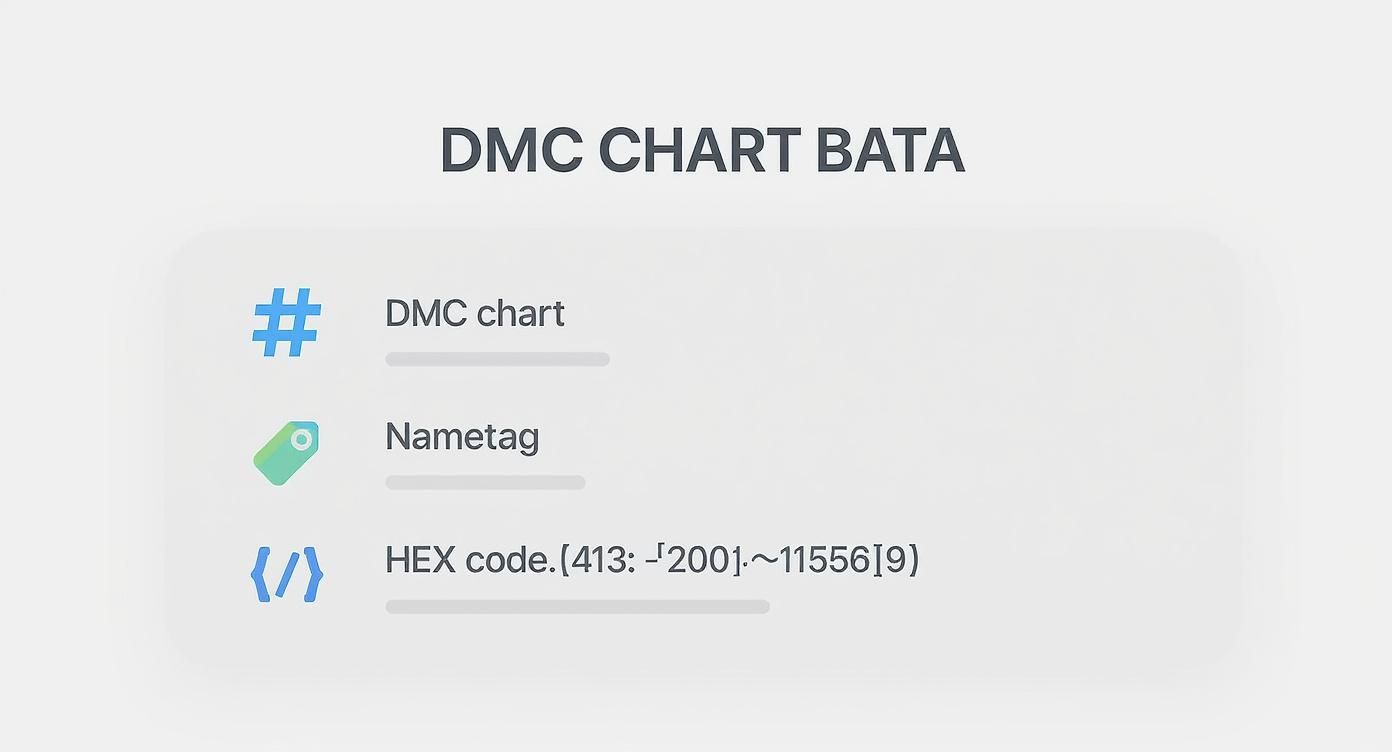
As you can see, the thread number, its official name, and the corresponding hex code all work together to give you a complete profile for every single colour.
Pro Tip: Specialty threads are your secret weapon for making certain elements in a pattern truly pop. Try using a single strand of Light Effects gold for a crown or a bit of Étoile for a celestial design. It instantly draws the eye and gives your work a polished, professional touch.
DMC's extensive variety is a direct result of its long history of listening to what stitchers want and need. This dedication is clear when you look at how their floss has evolved over the decades, from packaging changes to skein length adjustments. If you want to dive deeper, you might be interested in our guide covering the different types of embroidery floss available to crafters today.
Using Hex Codes for Digital Project Planning
If you're one of the many stitchers who designs patterns on a computer, you'll find the hex codes in our dmc threads chart colour system to be an incredibly powerful tool. A hex code is a six-character string of letters and numbers, like #FFFFFF for pure white, that represents a very specific color in the digital world. Think of it as the universal language for color on screens, perfectly bridging the gap between your physical thread collection and your digital design canvas.
This simple code allows you to plan and visualize your entire project with remarkable accuracy before you even think about buying a single skein of floss. By plugging the correct hex code from our chart into your design software, you can fill your pattern with a precise digital version of that DMC color. This is a game-changer for creating custom patterns from photographs or just playing around with different color palettes without the commitment.
Importing Codes into Design Software
Thankfully, most modern cross-stitch design programs like PCStitch or MacStitch make this process easy with built-in color palette managers. You can almost always add a new color to your project's working library simply by entering its hex code.
A typical workflow looks something like this:
- Find Your Color: Look up the DMC shade you want in our chart and copy its hex code.
- Open Your Palette: In your software, find the section for managing your color palette or thread library.
- Add New Color: Choose the option to add a custom color and paste the hex code into the correct field.
- Assign and Design: It's a good practice to name the new color with its DMC number (like "DMC 310") so you can easily identify it. Now you're ready to start using it in your pattern!
A quick word of advice: screen calibration can make a big difference in how colors appear. A shade that looks like a perfect match on your monitor might vary slightly when you see the physical thread. I always recommend having a real DMC thread card on hand to double-check your final choices.
For anyone wanting to go a step further in mastering digital color selection, getting familiar with the principles of color theory is a fantastic idea. Understanding these concepts will help ensure the color palettes you create on-screen translate beautifully into your finished stitched pieces.
Ensuring Global Colour Consistency in DMC Threads
If you've ever been deep into a long-term stitching project, you know the fear. Will that new skein of DMC 310 you just bought actually match the one you started with five years ago? With DMC, you can breathe easy. Their commitment to colour consistency is legendary, and it's a huge part of why stitchers trust the brand.
This incredible reliability isn't just luck; it's by design. Every single skein of their iconic six-strand floss is made in one factory in Mulhouse, France, and has been since 1898. This centralized approach is the secret sauce—it completely eliminates the tiny variations you'd get from different manufacturing plants. A skein you pick up in Tokyo is identical to one you'd find in Toronto. You can read more about their French heritage over on the official DMC website.
The Importance of Dye Lot Control
The magic really happens in the dyeing process. DMC uses incredibly precise techniques to make sure every batch matches the last perfectly. This also results in exceptional colourfastness, meaning your finished piece will resist fading from light and washing for years to come.
This dedication to consistency is exactly why you can pick up a vintage pattern from decades ago and still stitch it perfectly today. The DMC number called for then is the same exact colour you'll find on the shelf now.
That level of trust is a game-changer, especially when you run out of a colour mid-project or need to match a thread from an old stash. And while DMC's consistency is second to none, sometimes you might need to find a close match in another brand. For those situations, our guide on DMC conversion charts can be a real lifesaver.
Your Free Printable DMC Inventory Checklist
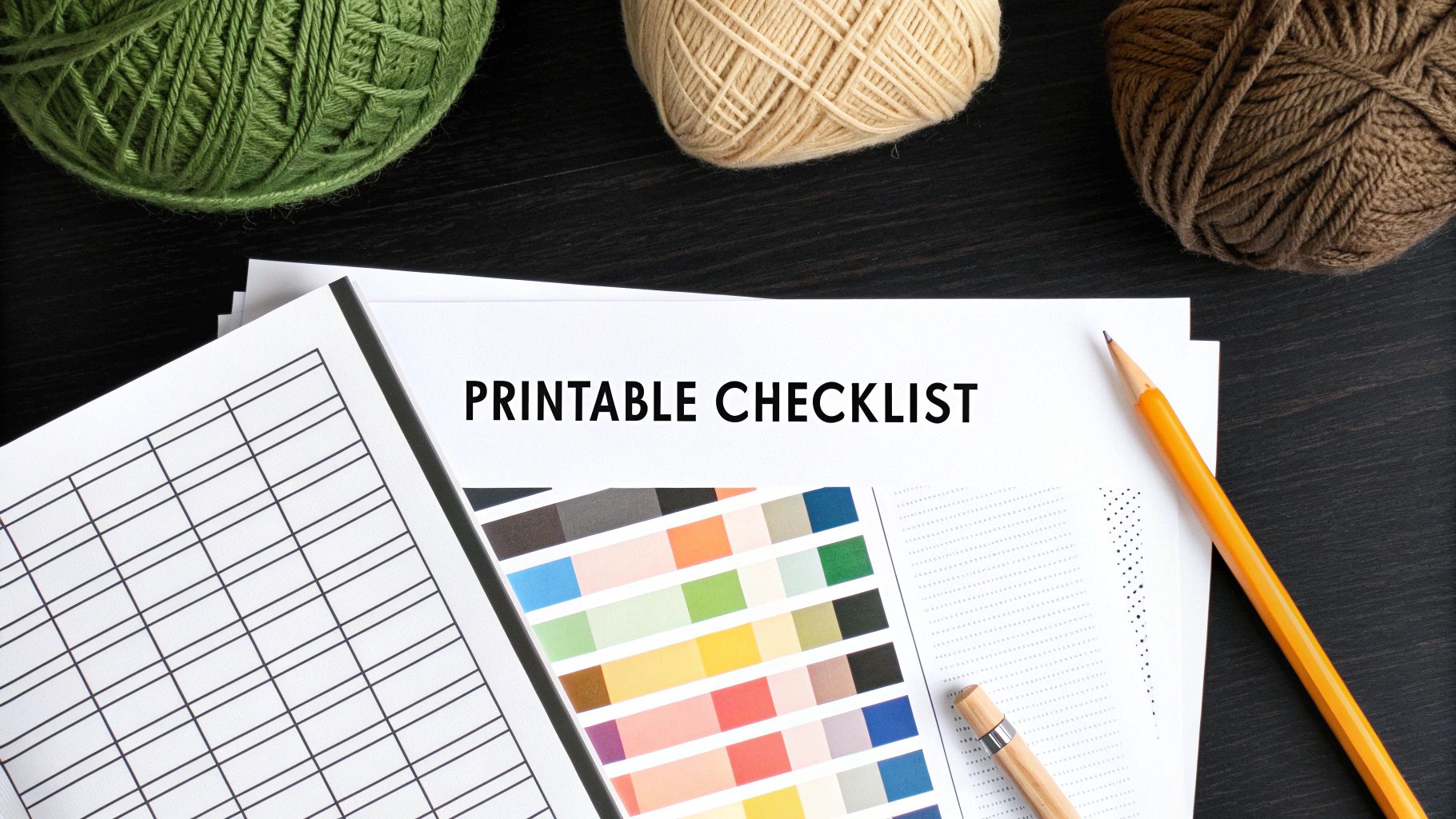 DMC color chart with swatches and checkboxes for inventory tracking.">
While having a digital chart is great for on-the-go planning, nothing quite beats a physical copy you can hold in your hands. That's why I've put together a free, high-quality printable DMC thread colour chart and inventory checklist, just for you. It's the perfect companion to bring to the craft store or keep next to you as you stitch.
This isn't just a basic list of colours. It's a genuinely practical tool designed to make your crafting life easier. With a simple checkbox next to each colour, you can keep a running inventory of your entire floss collection. A quick glance tells you exactly what you have, so you can stop guessing and avoid buying duplicate skeins.
How to Get the Most Out of Your Chart
A few simple tricks can turn this printable chart into an indispensable part of your toolkit:
- Laminate It: To make it last, run it through a laminator at home or your local copy shop. It’ll stand up to spills and general wear and tear for years.
- Add Real Floss Samples: For truly accurate colour matching, tape or tie a small snippet of your actual thread next to its printed swatch. This is a game-changer!
- Use a Dry-Erase Marker: If your chart is laminated, you can use a fine-tip dry-erase marker to circle the colours you need for your current project, then wipe it clean for the next one.
I always find that a physical chart is the best way to compare threads in different lighting. A colour that looks perfect under your craft lamp can look totally different in natural daylight. Having this printable chart on hand helps you see the true shade and make the right choice, every single time.
A Few Common Questions About DMC Colors
When you're deep into stitching, it's natural for questions to pop up, especially when you're dealing with different types of thread or digging into a vintage pattern. I've gathered some of the most common questions I hear from fellow stitchers to help you clear up any confusion and keep your projects running smoothly.
Getting a handle on the small differences between specialty threads or figuring out the best way to convert colors can make a huge difference. It saves you headaches and ensures your finished piece looks just the way you want it to.
What's the Real Difference Between DMC Variegated and Coloris Threads?
This is a great question because they both look like they do similar things. The main distinction is how the colors are arranged on the thread.
-
DMC Variegated (numbers 1-125): Think of these as a gentle blend of different shades from the same color family. It gives you a subtle, over-dyed look that's perfect for adding realistic depth to things like flower petals, water, or wood grain.
-
DMC Coloris (4500 number series): This is a whole different beast. Each strand of Coloris has four completely different, complementary colors woven together. As you stitch, it creates a random, confetti-like effect that's fantastic for bold, artistic pieces where you want a pop of unpredictable color.
How Can I Find a DMC Match for a Different Thread Brand?
Honestly, while online conversion charts are a decent starting point, they're rarely perfect. Dye lots and manufacturing processes vary so much between brands that a direct number-for-number swap can be a bit of a gamble.
The most reliable way? Use your eyes. Snip a small piece of the thread you need to match and take it with you to the craft store. Hold it up against the DMC floss display—preferably in good, natural light—to find the closest visual match. It's the only way to be sure it will look right in your project.
Are Old DMC Numbers from Vintage Patterns Still Good?
Yes, almost always! One of the reasons stitchers love DMC is its incredible color consistency over the years. A skein of 310 (Black) that you buy today will be a perfect match for one from decades ago.
Of course, DMC has added new colors and retired a few over its long history, but the core numbers you'll find in most older patterns are still the same and readily available. You can stitch those vintage finds with confidence.
What Do All the Symbols on a DMC Chart Mean?
Think of the symbols on a cross-stitch chart—the little squares, circles, triangles, and so on—as a code. Each unique symbol stands for one specific DMC color number.
Your pattern's key or legend is your decoder ring. It will have a list showing every symbol used in the chart right next to its corresponding DMC number. This system keeps the chart itself clean and easy to read, so you can focus on stitching instead of trying to read tiny numbers all over the design.
At Cross Stitched, we have everything you need to start your next masterpiece, including kits with all the right DMC threads already sorted for you. Let's turn your favorite photo into a beautiful stitched project. https://cross-stitched.com